AI Beehives
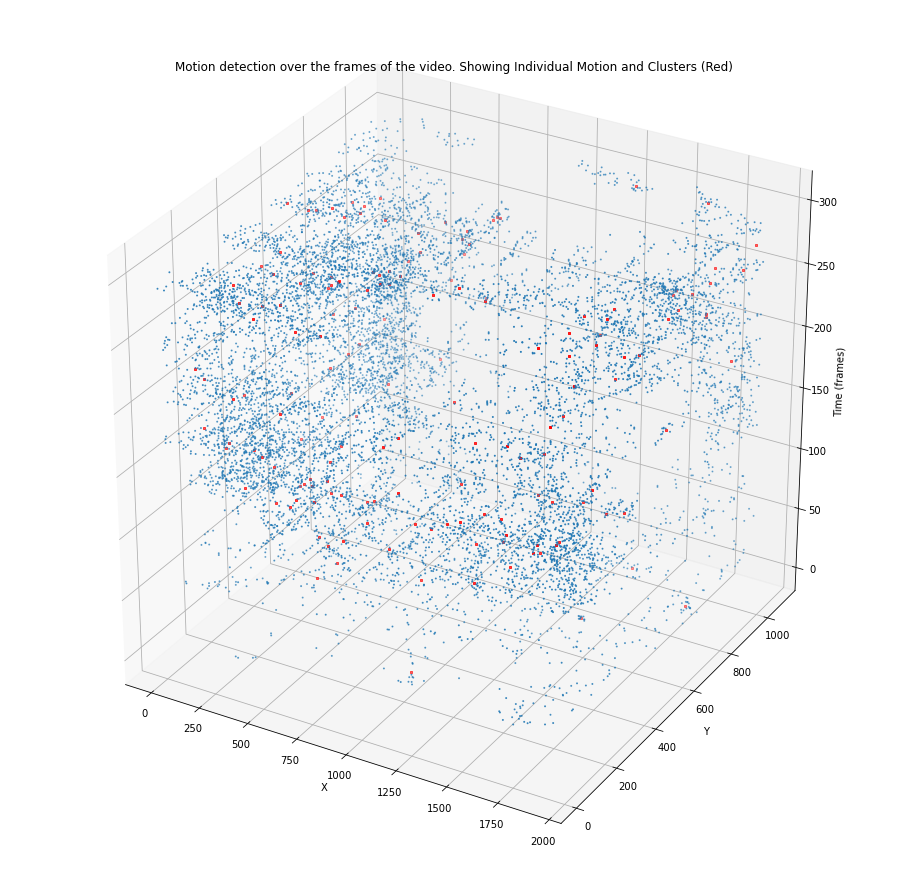
The Data Place used artificial intelligence to decode dance patterns of bees. By using visual analytics and machine learning we can understand where the bees are going to feed; used properly these insights could help protect and support healthy native bee populations.
Bees are able to pollinate nearly 75% of all plant species directly used for human food. During the last two decades, bee colonies have been slowly declining, and if this continues it will have a large impact on the environment and food production.
But food production is also impacting the bees: monocultures in farming bloom for only a few weeks every year, forcing local bee colonies to look further afield for their food. We also know that during cooler weather, the bees can’t travel longer distances - so bees thrive in a biodiverse area that provides food all year around.
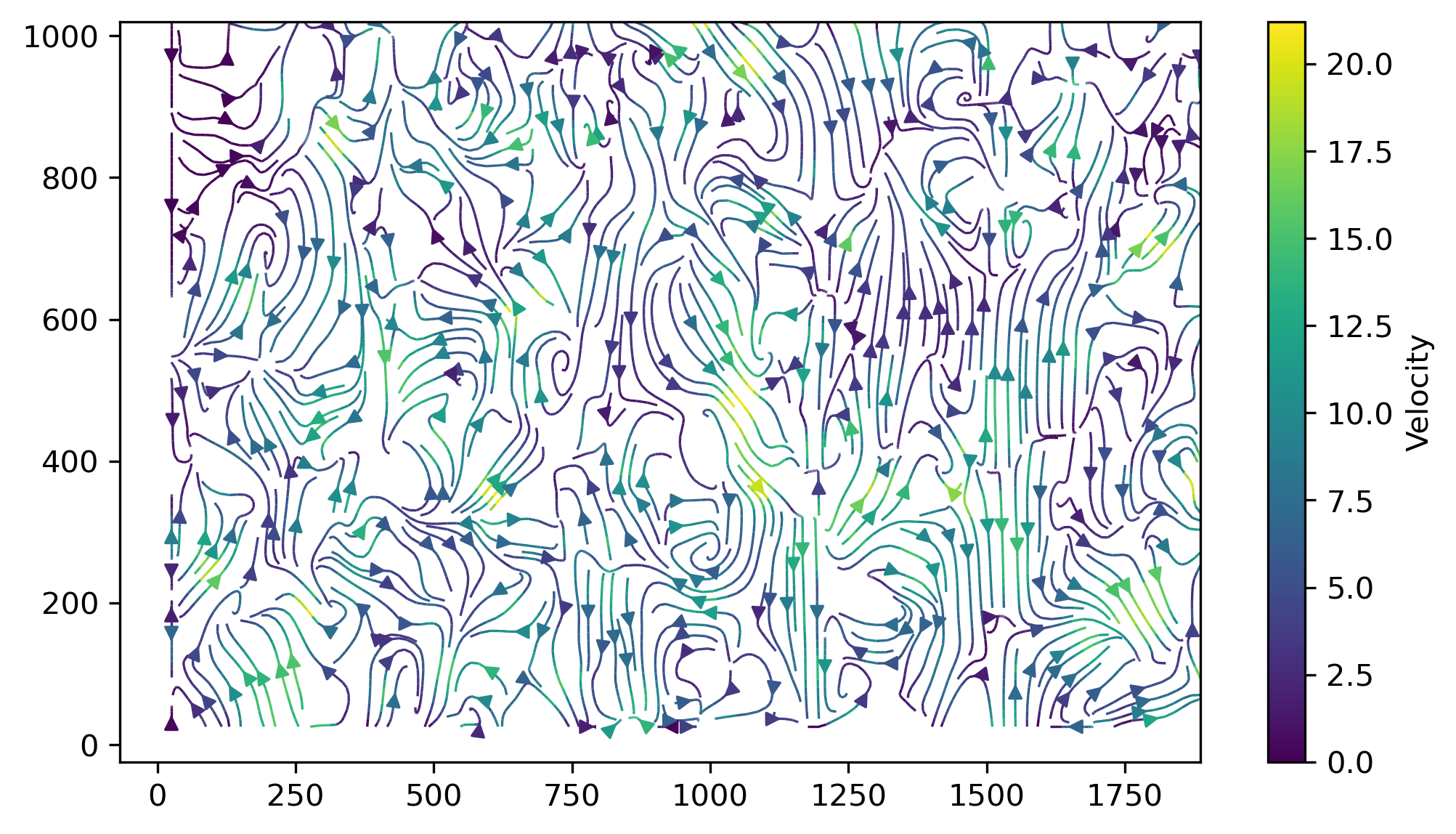
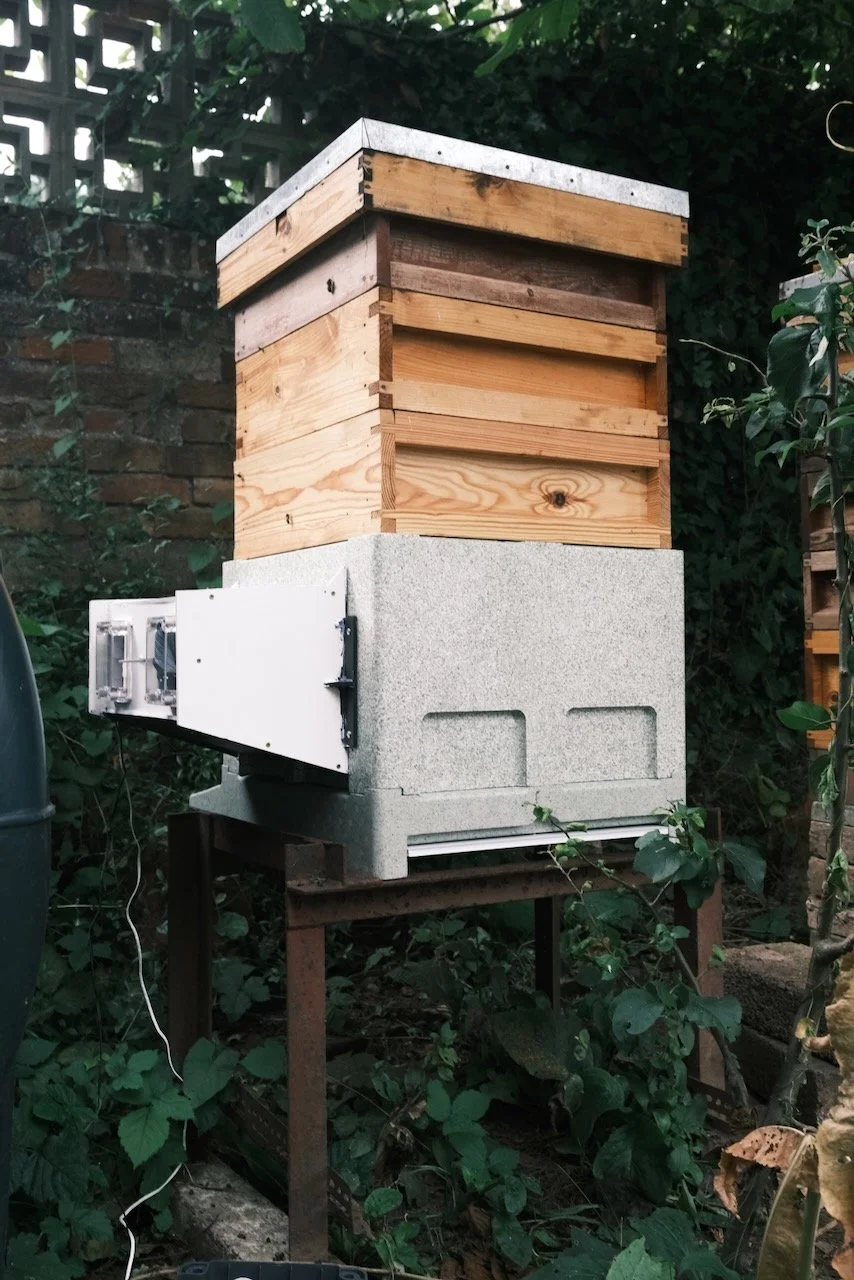
We created a prototype observation hive with a camera to monitor the movements (or ‘waggle dance’) of returning scout bees, which we then analyse to decode the information about where they have found forage. This is a key step in understanding the bees’ behaviour and how to help them thrive alongside other pollinator species.